Functional training is based on natural movement patterns: Push, pull, lift, carry, hinge, rotate. The aim is a resilient body that in everyday life works better – fewer tensions, more energy, clear technique. In this guide I show you what matters, how you start cleanly and which 10-minute routine takes you forward right away.
Why functional training works
- Full body instead of isolated: You train chains, not individual muscles.
- Transfer into everyday life: stairs, shopping bags, gardening – everything becomes easier.
- Joint-friendly: quality of movement before intensity.
- Scalable: From beginners to advanced – progression instead of overload.
Who is this suitable for?
- If you feel “shortened” in everyday life (a lot of sitting, neck/lower back).
- If during training you want more Structure and technique instead of “just sweating”.
- If you want to train outdoors or have little equipment.
- If you want to get fit again without overreaching.
The 3 basic principles (remember these!)
- Technique before intensity
- Progression instead of jumps (small steps > big jumps)
- Breath + core: Exhale on the effort, trunk gently active
Technique check: 4 patterns that change everything
-
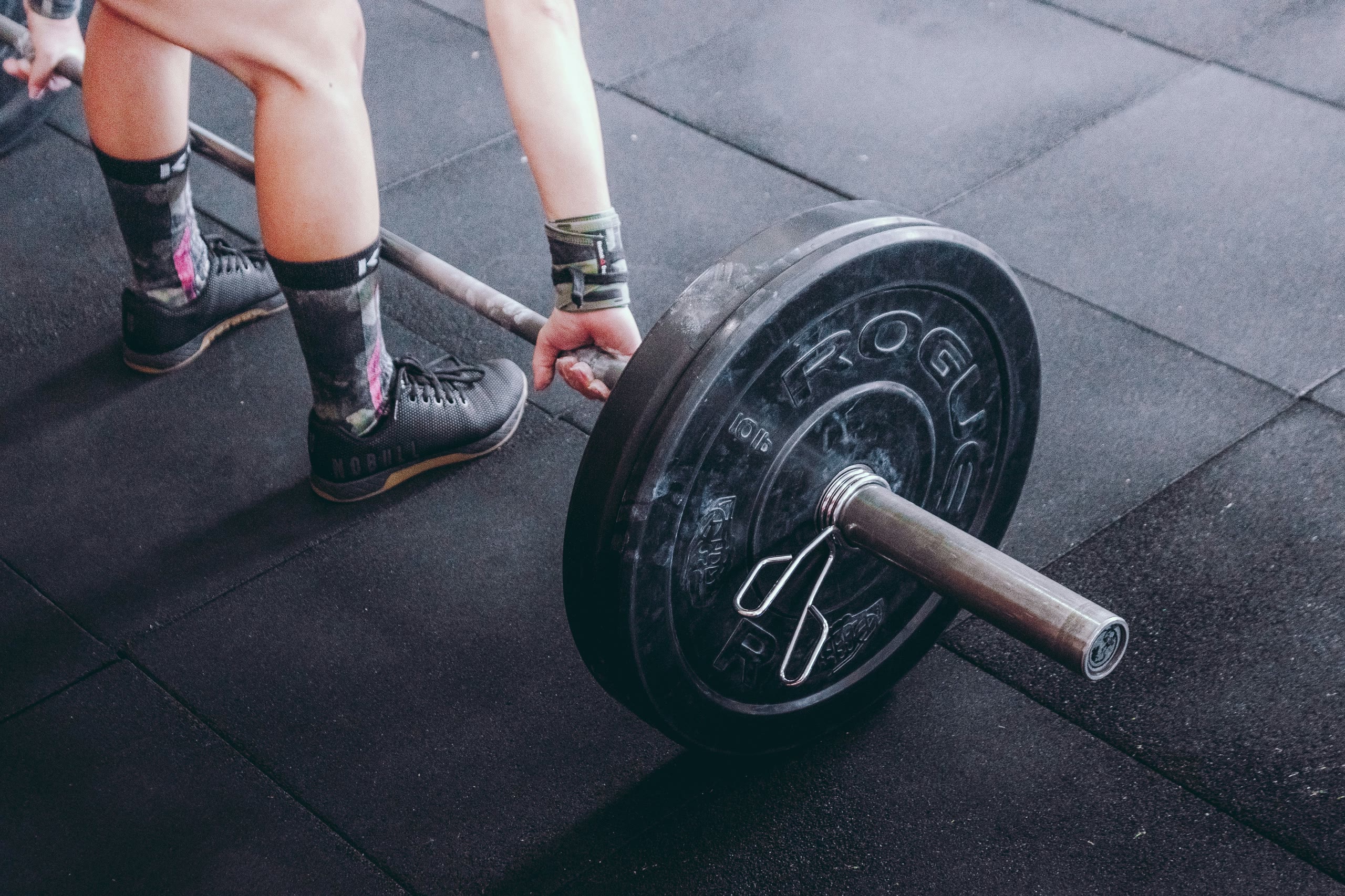
Hip hinge
- Lift the breastbone, back “long”, push the hips back
- Feeling: “hips back towards the wall”, do not fold in the back
-
Knee bend (squat)
- Feet about hip-/shoulder-width, knees roughly towards the 2nd–3rd toe
- Weight centred/slightly back, heels on the floor
-
Push/pull
- Shoulder blades active (back and down “into the back pockets”)
- Wrists neutral, elbows lead, neck long
-
Rotate + anti-rotation
- Rotations from the thoracic spine, hips stable
- Planks/Pallof press: build resistance against rotation
10-minute starter (no equipment)
2 rounds – about 10 minutes in total. Breathe calmly, move cleanly.
-
Mobilise (2 minutes)
- Cat‑Cow x 6–8
- Thoracic rotation in a kneeling stance x 6/side
- Hip circles, shoulder circles 20–30 s each
-
Activate (3 minutes)
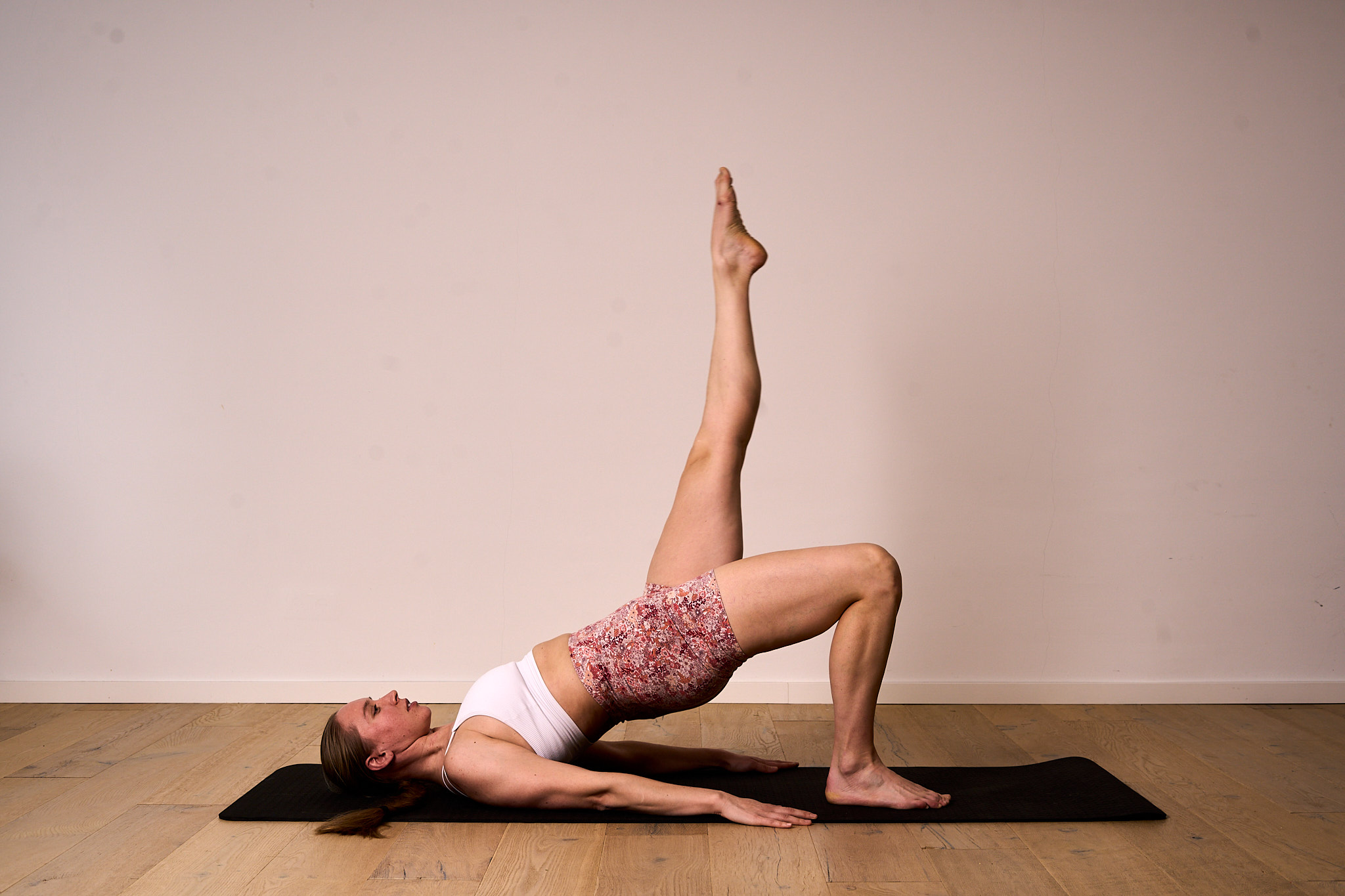
- Glute bridge x 8–10 (hold 3–4 s at the top)
- Dead bug x 6/side (lumbar spine stays quiet on the floor)
-
Complex (5 minutes) – EMOM (“Every Minute On the Minute”)
- Min 1: 10 Air Squats
- Min 2: 8 hip hinges (e.g. with a backpack)
- Min 3: 10 rows (backpack, towel around a post)
- Min 4: 8 split squats/leg (short range allowed)
- Min 5: Rest or plank 30–40 s
Scaling: Reduce repetitions or a smaller range of movement choose if it becomes wobbly. Quality beats quantity.
Common mistakes – and better pictures in your head
- “Brace the belly hard” → Replace with: “gather gently” (navel towards the spine, pelvic floor lifts gently).
- Shrugging the shoulders → “shoulder blades into the back pockets” (back and down).
- Too fast → “controlled pause” in the most difficult position (2–3 s).
- Rounding the back when lifting → “breastbone leads, hips push” (hinge instead of the back).
Mini equipment, big effect
- Backpack (books/water) as a weight
- Resistance band for rows, presses, anti-rotation
- Kettlebell (8–16 kg) for hinge, goblet squat, carry
- Timer app for EMOM/intervals
Progression: how you increase sensibly
- Get the movement clean first (goal: 8/10 repetitions technically the same)
- Increase the range (deeper, slower, more controlled)
- Increase load in doses (e.g. +2–4 kg / week, if stable)
- Increase complexity (single-leg, tempo variations, rotations)
Quick‑FAQ
- “Can it be demanding?” – Yes. Breathing stays controllable, technique stays stable.
- “How often per week?” – 2–3 sessions with at least 1 rest day in between.
- “Does it make sense outdoors?” – Absolutely! Air + nature + technique = motivation.
Next step
If you want to train functionally and joint-friendly want to train – with clear technique, suitable for everyday life and without ego hits –, then come and train with us. Outdoors, in the studio or 1:1 – we meet you where you are.
- Overview & dates: Functional training
- Or straight to the overview: Classes
I look forward to seeing you!