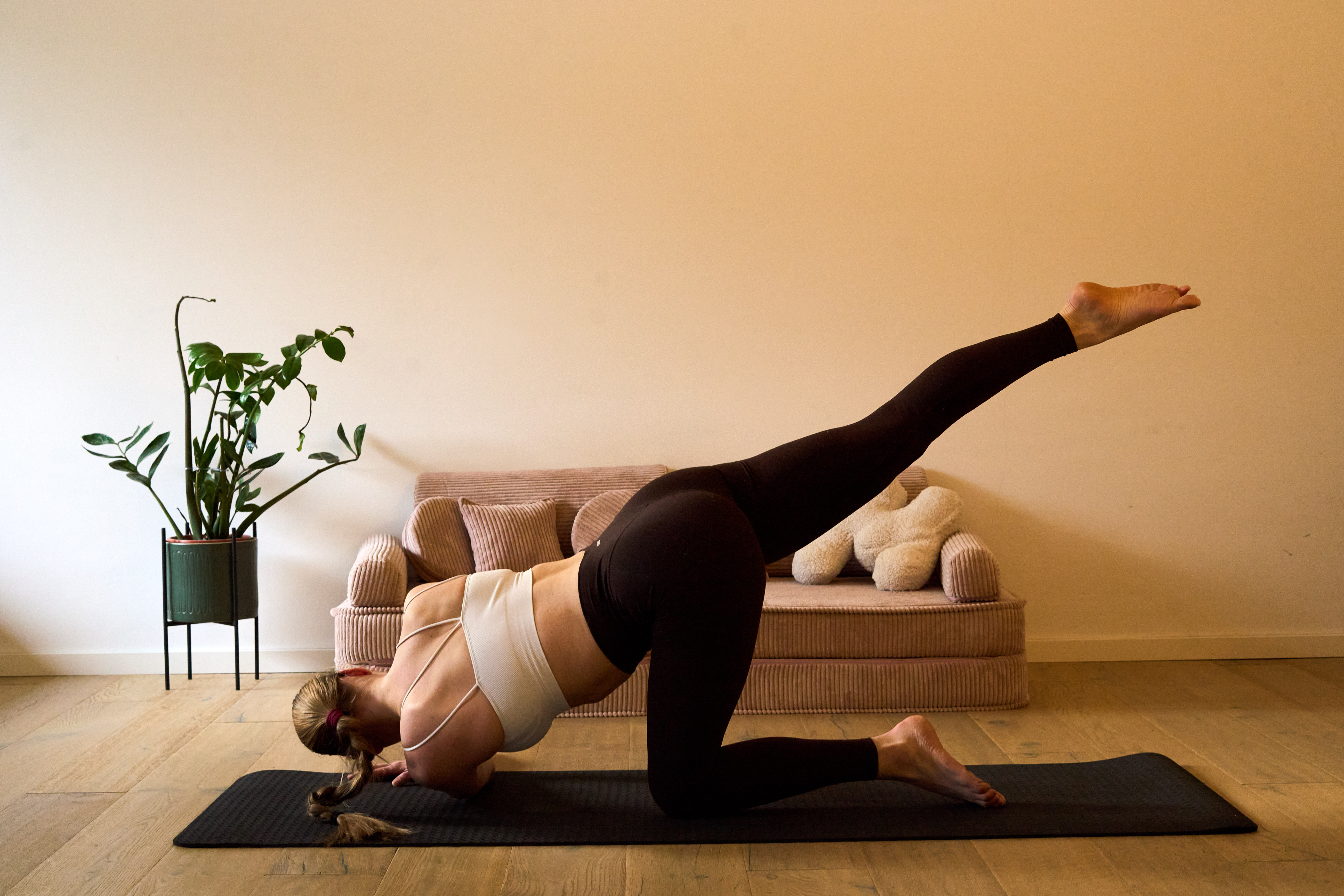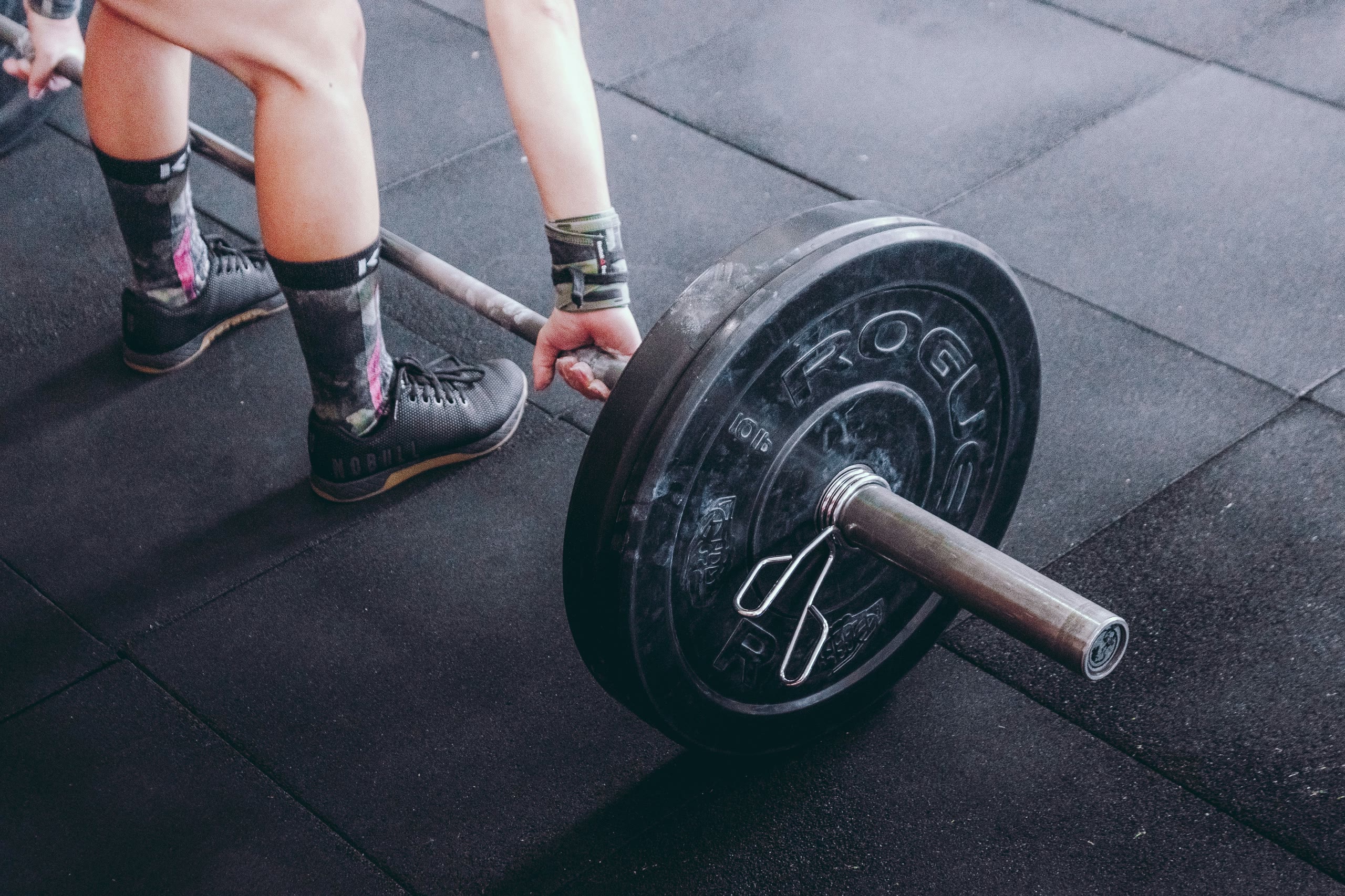
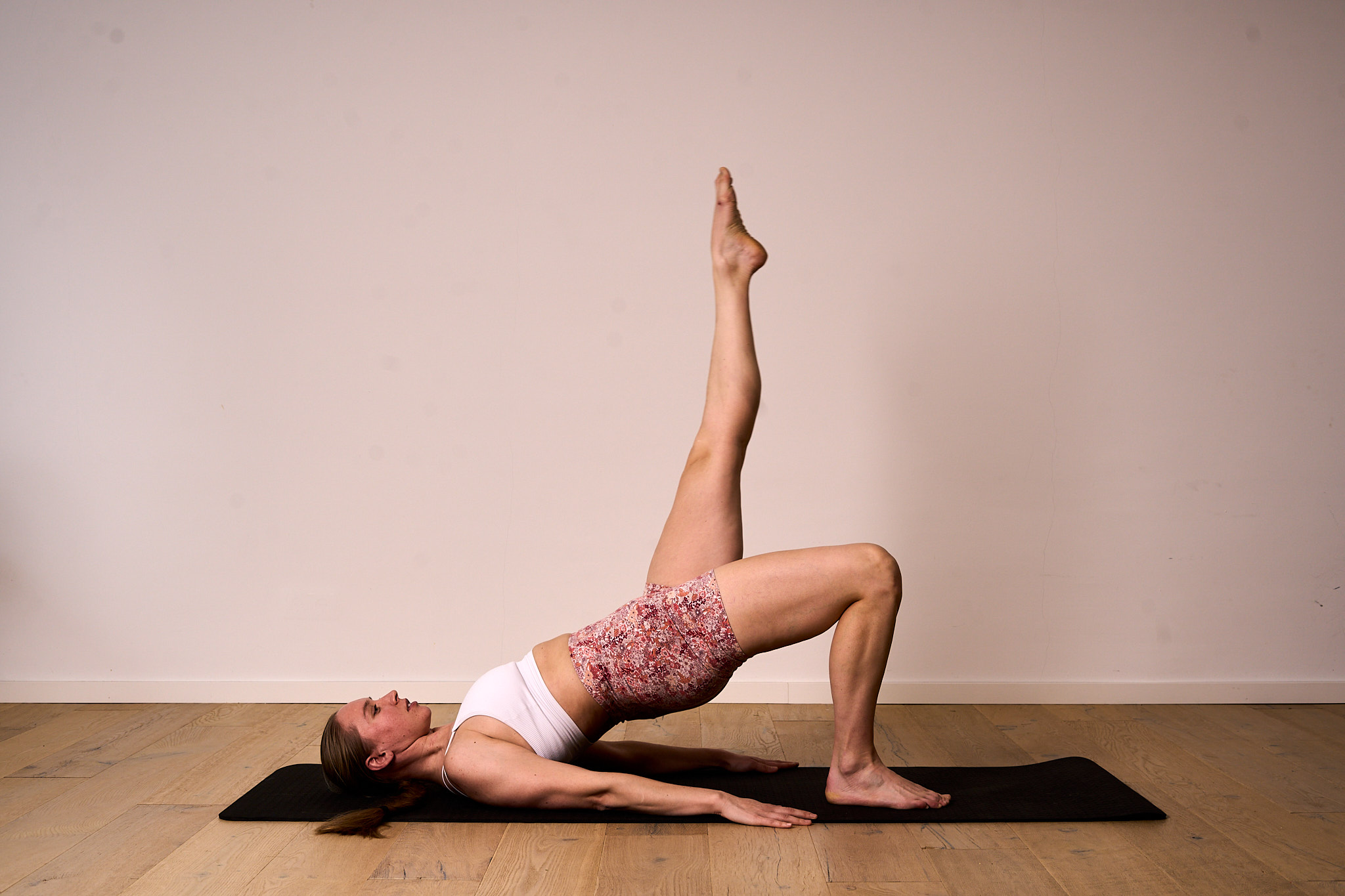
Pilates is often seen as “gentle training” – calm, controlled, perhaps even less intense than classic strength training. Current scientific findings, however, show a clearly different picture:
Properly coached and structured, Pilates can be an effective tool for improving health, performance and quality of life.
A systematic review from 2023 (Bulletin of Faculty of Physical Therapy) examined exactly that:
What effects does Pilates training have on women with different health complaints?
The results are remarkable – and confirm much of what I see in my daily work at viktoria.training see.
What did the study examine?
The scientists analysed 10 controlled studies (including several randomised controlled trials) in which Pilates interventions were studied in women with health limitations.
The focus included, among other things:
- Pain symptoms
- Muscle strength and mobility
- Balance and body control
- Quality of life and mental well-being
- Metabolic parameters (e.g. blood sugar, HbA1c)
- Respiratory function
Goal: Finding out whether Pilates has measurable health effects – and not only subjectively “feels good”.
The most important results at a glance
1⃣ Pain reduction – especially with chronic complaints
Several of the included studies showed a clear reduction in pain, especially in:
- chronic lumbar spine complaints
- Fibromyalgia
- muscular imbalances
- temporomandibular complaints
A possible explanation: Pilates works specifically with the deep stabilising musculature, improves segmental control of the spine and encourages clean movement patterns.
Especially with chronic complaints, the key is not “resting”, but intelligent, controlled load.
2⃣ Improved strength & stability
Pilates strengthens in particular:
- the deep trunk muscles
- the pelvic-floor muscles
- the stabilising muscle chains
Studies show significant improvements in:
- Muscle strength
- functional stability
- Postural control
And this is often where the misunderstanding lies:
Pilates is not “easy stretching”, but structured, progressive strength training with high neuromuscular precision.
Especially for women who also do strength training, HYROX or other intense sports, Pilates forms a stable base.
3⃣ More mobility & better balance
The analysis showed improvements in:
- Flexibility
- Balance
- Body control
- Coordination
That means not only better sporting performance – but also:
- lower injury risk
- more quality of movement in everyday life
Mobility without control is unstable. Strength without mobility is limited. Pilates connects both.
4⃣ Positive effects on metabolism & breathing
A particularly interesting aspect of the research:
In women with type-2 diabetes, improvements were seen in:
- HbA1c
- Fasting blood sugar
Improvements in respiratory function were also documented, including:
- increased vital capacity
- improved breathing mechanics
That underlines:
Pilates is not only “muscle training”, but can address various physical functions.
5⃣ Increase in quality of life & mental health
In addition to the physical effects, several studies reported:
- improved mental well-being
- reduced perception of stress
- increased quality of life
Why?
Because Pilates connects body awareness, breath control and movement. This combination can support relaxation and body awareness – a decisive factor in a life that is often shaped by stress.
What does that mean for you?
The studies reviewed provide indications:
Pilates can be an effective building block for:
- chronic pain
- Posture topics
- muscular imbalances
- metabolic loads
- Stress & exhaustion
- Performance optimisation in sport
What matters, however:
The quality of the coaching makes the difference.
The studies emphasise that the evidence is in part limited by differing training protocols and methodological weaknesses.
Not every Pilates is automatically therapeutically effective. Structure, progression and individual adaptation are decisive.
My approach at viktoria.training
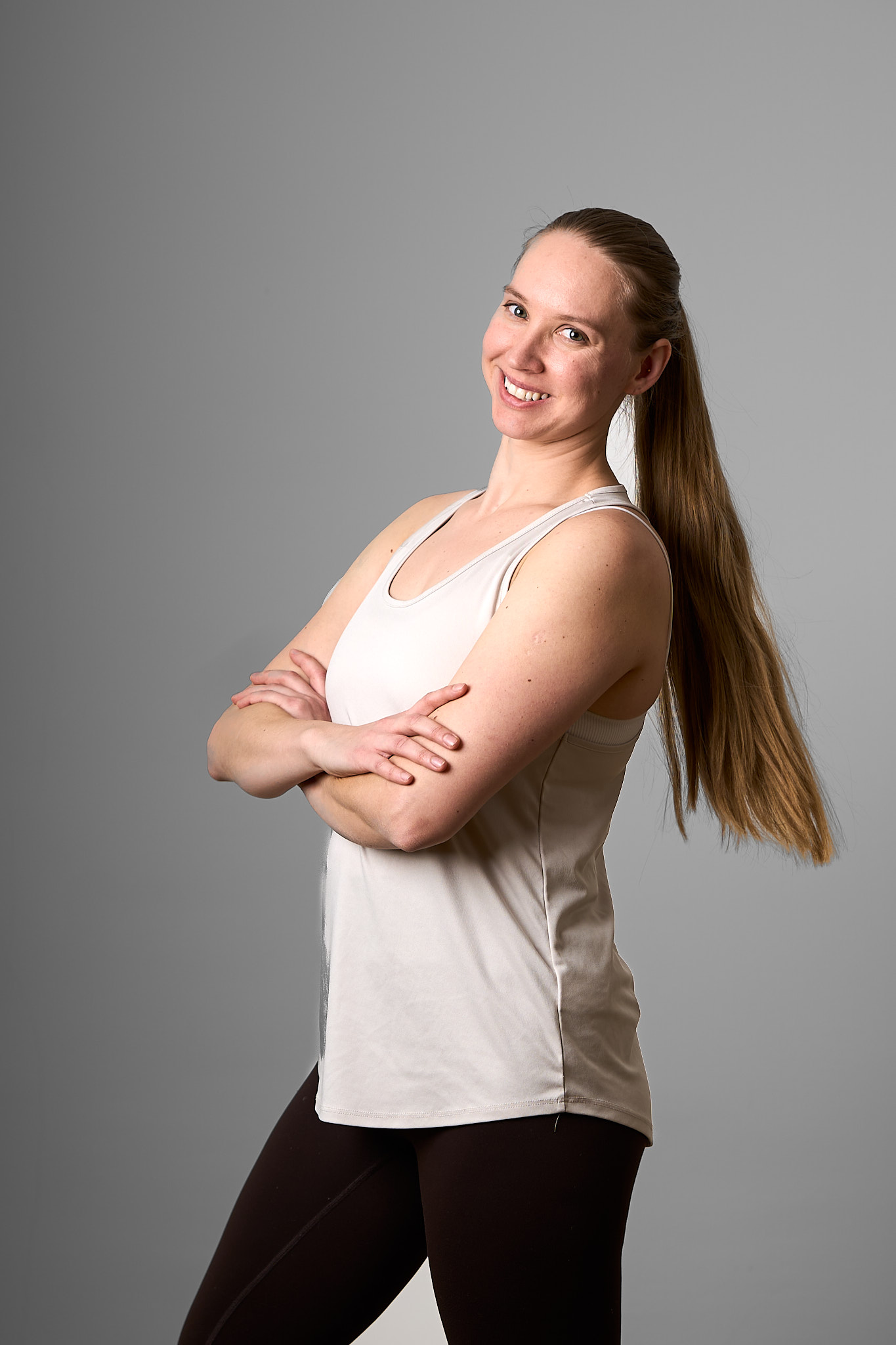
As a registered nurse and fitness trainer I connect:
- medical background knowledge
- functional strength training
- neuromuscular precision work
- evidence-based training principles
My Pilates training is:
- functional rather than “only calm”
- progressive rather than static
- stabilising and performance-enhancing
- individually adapted to your goal
Whether you:
- want to reduce pain
- want to improve your posture
- want to raise your sporting performance
- are looking for a stable base for intense training
Pilates can complement strength training; which combination fits depends on your goals.
Conclusion: Pilates is underestimated – but scientifically relevant
The current body of research confirms:
Pilates is far more than a trend or a wellness offer.
Done well it can:
- Reduce pain
- improve strength and stability
- influence metabolic parameters positively
- raise quality of life
- regulate the nervous system
And that is exactly why Pilates has a firm place in the training concept of viktoria.training.
If you would like to experience how structured, precise movement affects your body – then I would be glad to accompany you on this path.
Study
Systematic review (2023): https://link.springer.com/article/10.1186/s43161-023-00128-9